GEO: Generative Engine Optimization
For more than two decades, SEO (Search Engine Optimization) was the undisputed king of digital positioning. Brands competed to appear on Google by optimizing keywords, backlinks, and technical structure. Today, that paradigm is changing. With language models such as ChatGPT, Gemini, Claude, and other generative engines, a new concept is emerging that is redefining how information is discovered online: GEO, Generative Engine Optimization.

By Rodrigo García
08 February, 2026
What Is GEO (Generative Engine Optimization)?
GEO is the set of strategies focused on optimizing content, brands, and sources so they can be understood, cited, and recommended by artificial intelligence engines, not only by traditional search engines.
- In simple terms: If SEO aims to please Google, GEO aims to be chosen by AI.
When a user asks something in ChatGPT, Perplexity, or Gemini, AI does not display 10 links: it chooses, summarizes, and answers using the sources it considers clearest, most trustworthy, and best structured. That is where GEO comes in.
Who Coined the Term GEO?
The term Generative Engine Optimization began gaining popularity among researchers, AI strategists, and technology marketing leaders from 2023–2024, especially with:
◼️ The rise of ChatGPT Search
◼️ The integration of AI into Google (Search Generative Experience)
◼️ Tools such as Perplexity AI
There is no single “author” of the term. The concept emerged from the tech + marketing community, much like SEO evolved over time.
Today, GEO is discussed in:
◼️ OpenAI and Google whitepapers
◼️ Growth and advanced marketing forums
◼️ Pioneer agencies in the U.S. and Europe
Why Will GEO Partially Displace SEO?
It is not that SEO will disappear, but it is no longer enough.
Before:
◼️ The user searched
◼️ Google listed results
◼️ The user chose
Now:
◼️ The user asks
◼️ AI answers directly
◼️ There is no click
This creates three major changes:
◼️ Less traditional organic traffic
◼️ More power for whoever controls the answer
◼️ Greater importance of content authority
- Brands that do not appear in AI answers simply do not exist for a new generation of users.
How Does GEO Work in Practice?
For an AI system to “choose you,” it evaluates factors that differ from classic SEO:
✅ Semantic clarity: Direct, well-explained content without filler.
✅ Topical authority: One post is not enough. AI trusts content ecosystems more.
✅ Logical structure: Clear headings, questions and answers, and explicit definitions.
✅ Human language: AI prioritizes texts that solve real questions, rather than texts forced around keywords.
✅ Strategic repetition of concepts: Not keyword stuffing, but conceptual consistency.
Will There Be Agencies Specialized in GEO?
Yes. And very soon.
Just as there are today:
◼️ SEO agencies
◼️ Performance agencies
◼️ Social media agencies
In the next 2–3 years we will see:
◼️ GEO agencies
◼️ AI positioning consultants
◼️ Content strategists for generative engines
Agencies that understand this first will have a major advantage, especially in sectors such as:
◼️ Tourism
◼️ Restaurants
◼️ Healthcare
◼️ Real estate
◼️ Education
◼️ Premium services
- Spoiler: Traditional agencies that do not adapt will be left optimizing for a search engine that no longer makes decisions alone.
GEO and Brands: The New Mental Positioning
Before, you competed for keywords; now you compete for concepts.
Example:
◼️ SEO: “best hotel in Cancun”
◼️ GEO: “Which hotel in Cancun would you recommend for a quiet honeymoon?”
The AI is not looking for links; it is looking for reliable answers.
That is where a well-built brand wins.
What Courses Exist Today About GEO?
The reality: there are still few, and that is an advantage.
◼️ ChatGPT / OpenAI
◾ There is no formal GEO course
◾ But there is documentation about:
▪️ How AI evaluates information
▪️ How it structures answers
◾ Courses on Search Generative Experience (SGE)
◾ Focused on how AI affects search
◼️ Recommended platforms:
✅ Coursera (AI + marketing)
✅ Udemy (prompting, AI content strategy)
✅ Reforge (advanced strategy)
✅ HubSpot Academy (AI applied to marketing)
Most GEO knowledge today is found in:
◼️ Technical articles
◼️ Real cases
◼️ Experimentation
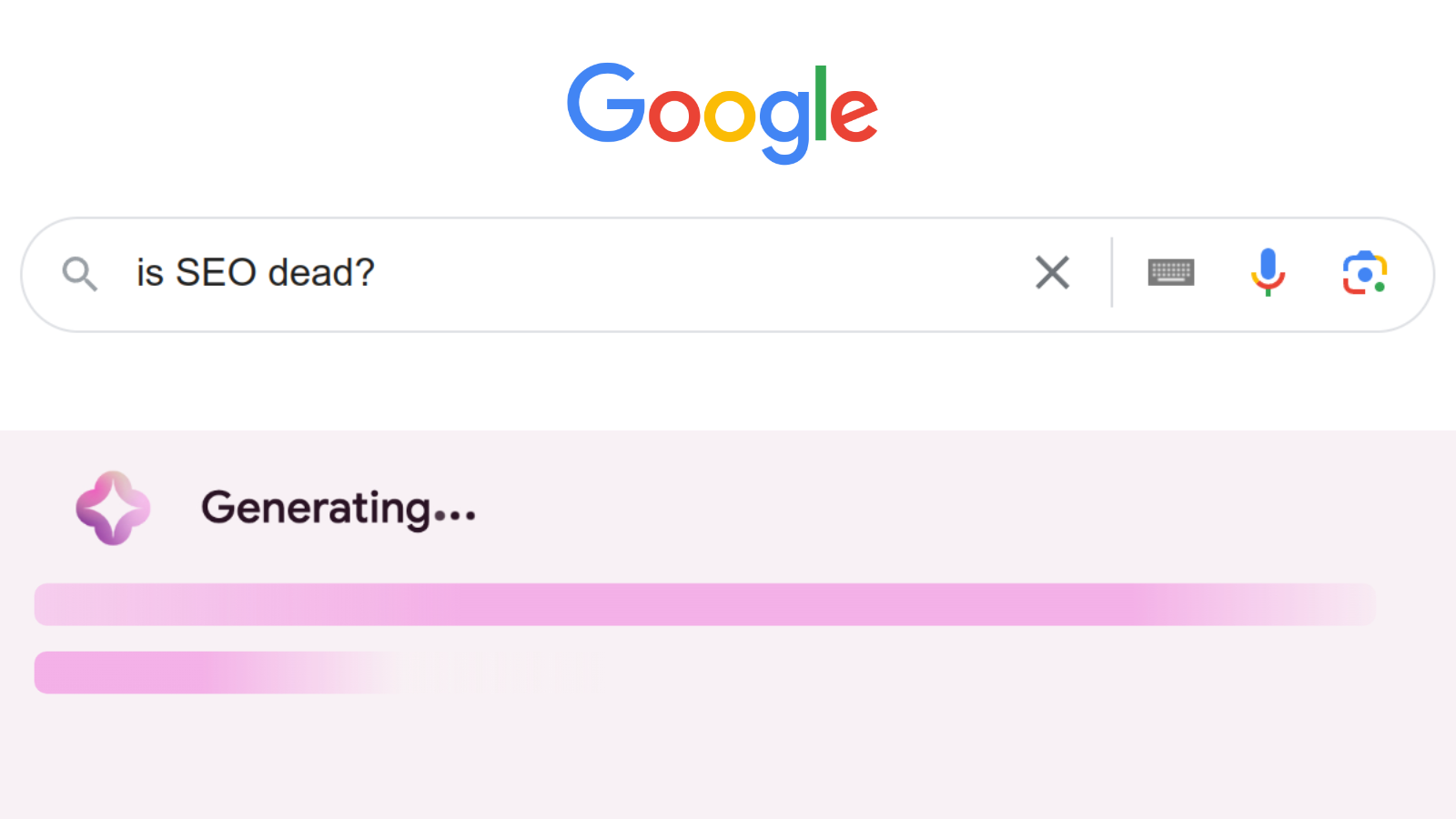
GEO Is Not a Trend; It Is a Transition
SEO is not disappearing.
But GEO redefines the rules of the game.
Brands no longer only need to:
◼️ Rank
◼️ Optimize
◼️ Appear
Now they must:
◼️ Be understood
◼️ Be cited
◼️ Be recommended
And that completely changes content, branding, and digital marketing strategy.
In Conclusion:
GEO is to SEO what streaming was to cable television.
It did not kill it immediately, but it changed the habit forever.
- Agencies, brands, and creators who understand this today will not compete for traffic tomorrow… they will control the answer.
Are you ready to work with aliens?