Craving VICIO: Marketing, Strategic Creativity, and a High-Performance Team
VICIO is a Spanish burger brand born 100% digital and built for delivery. Its irreverent personality, disruptive creativity, and obsession with customer experience have turned it into a cultural phenomenon.

By Rodrigo García
10 July, 2025
VICIO: The Internet’s Most Desired Burger
What Do They Sell?
1. Premium burgers (such as the Double Cheeseburger or the Truffle burger).
2. Fries, sauces, and desserts made in-house.
3. Experiences and content in every order: from stickers to provocative phrases on the packaging.
How Did It Start?
It all began in 2020, during the pandemic, in Barcelona, when Aleix Puig (winner of MasterChef 7) teamed up with entrepreneur Oriol de Pablo to create a restaurant concept that didn’t depend on a physical location. Their first idea (tapas) didn’t work. However, shortly after, they found the perfect formula: burgers designed for the digital environment, with strong storytelling and a product that holds up well for delivery.
In just a few weeks, they went from cooking in a ghost kitchen to having a waiting list of delivery drivers. And they haven’t stopped growing since.
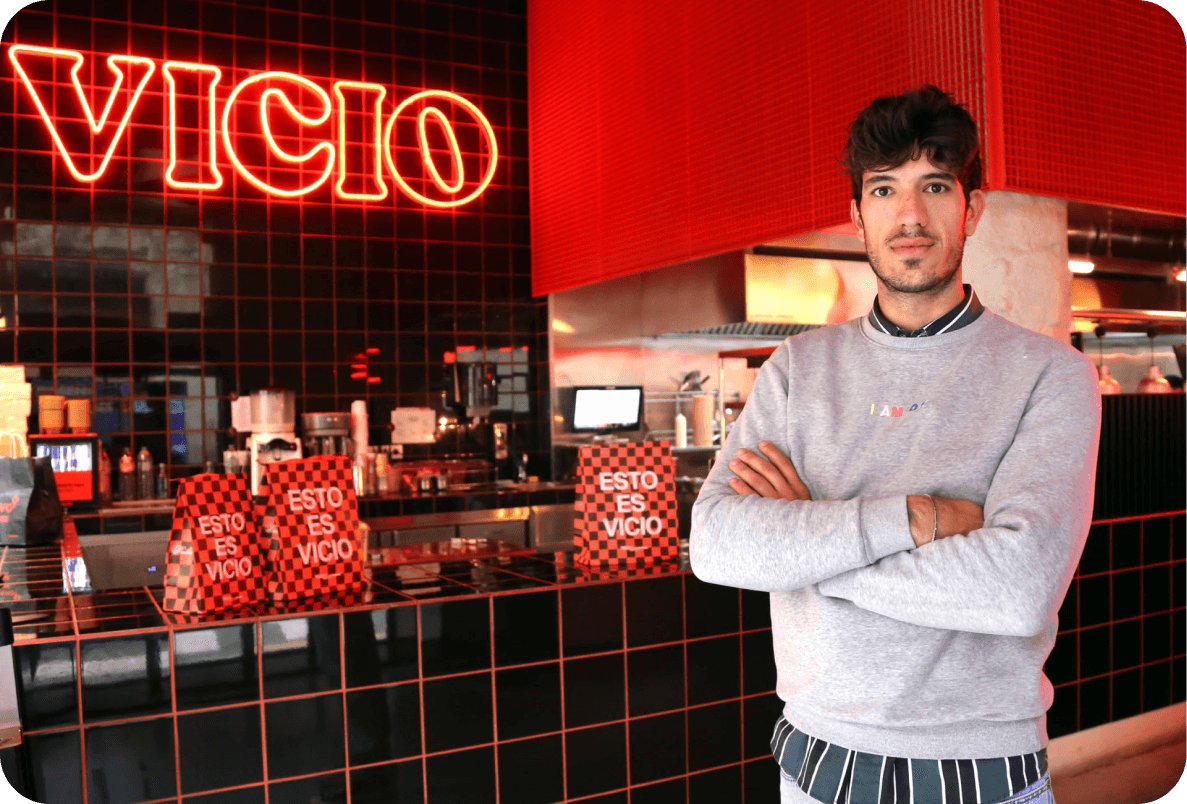
Creative Team & Marketing Leadership
Since February 2024, Jesús Cubero has been VICIO’s Chief Marketing Officer, leading the brand’s communication and positioning from Madrid for its current 11 cities Cubero has more than 18 years of experience in the industry QSR, having worked for brands such as Burger King, KFC, and Telepizza. His arrival reflects VICIO’s evolution toward a more structured marketing phase while maintaining a disruptive approach.
The company has a creative leadership committee made up of co-founders Aleix Puig and Oriol de Pablo, and a core team of around 80 people dedicated to design, technology, and marketing, although the group as a whole reached 800 employees by the end of 2024.
A Culture of Creativity: The “Fast, Good & Loud” Mindset
VICIO is built on three pillars: speed, quality, and notoriety, and in its corporate manifesto it declares that “we move fast, we hack platforms, we set up fake police checkpoints… we deliver by jetpack.” This defiant spirit permeates its culture: no idea is off-limits, mistakes are encouraged as learning, and originality is prioritized over playing it safe.
How Do They Build Such an Effective Team?
1. Phygital startup mindset: they combine digital agility with physical operations, which drives constant experiments and A/B tests in creative, packaging, and campaigns.
2. Disruptive recruitment: they have caught the attention of industry experts by seeking profiles from entertainment, agencies, and technology.
3. Creative autonomy: internal teams (branding, digital, campaigns) are free to execute ideas without going through multiple layers of hierarchy.
4. Proprietary technology: their internal order and demand optimization algorithms feed a creative strategy based on real customer behavior data TikTok+2Aula Creactiva+2Blubber.es+2AS.
Brilliant Examples of Creativity Executed by the Team
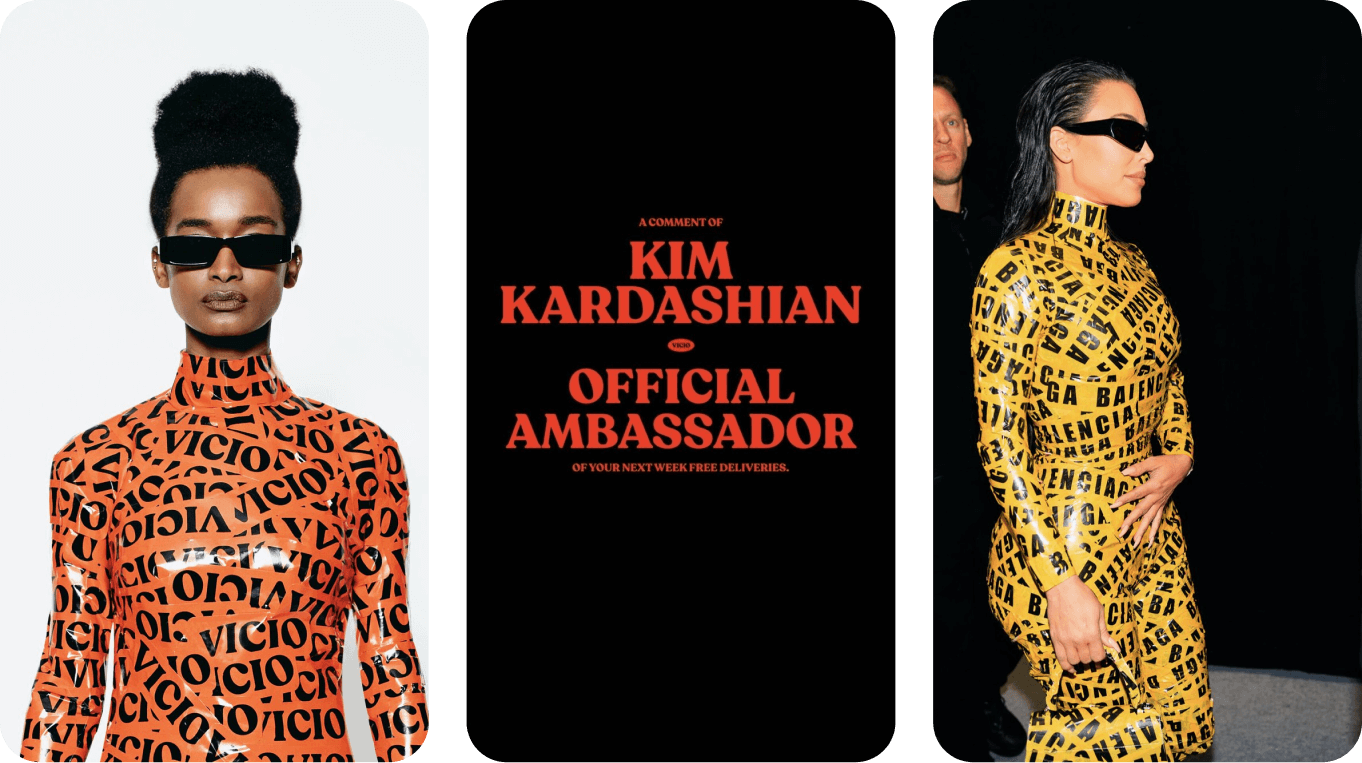
1.- Kim Kardashian / free delivery campaign:
They recreated Kim’s Balenciaga look and mobilized their community to tag her. Although she didn’t respond, they generated more than 3,700 comments and led sales that week, with free delivery fulfilling their real promise.
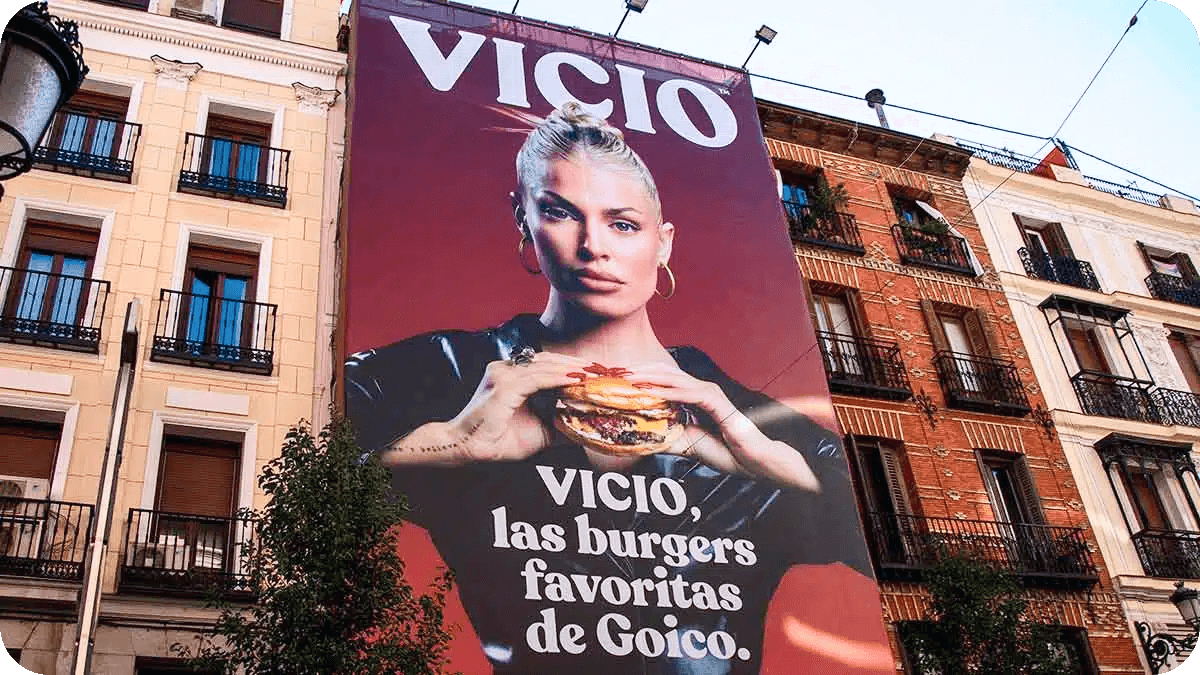
2.- Jessica Goicoechea vs. Goiko billboard:
A giant billboard was installed in Madrid showing the influencer enjoying a burger, with a clever slogan playing on the rival brand. This offline campaign generated massive digital virality.
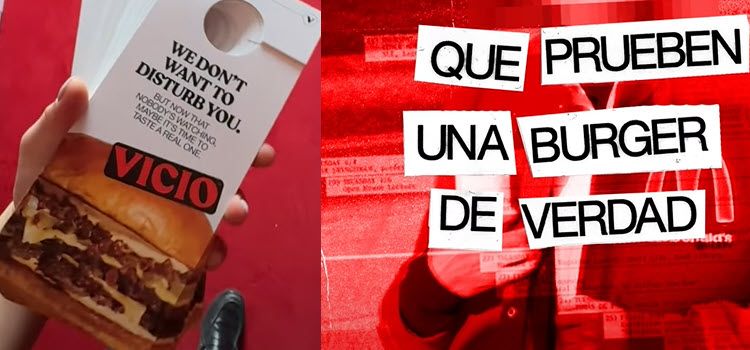
3.- Infiltrating the McDonald’s convention:
The team booked a room at the executives’ hotel and placed flyers on the door handles, creating impact and capturing attention directly with an irreverent narrative.
4.- Original branded content:
1. Hangovercure.tv: more than 48 hours of Netflix-style hangover videos, with more than 30,000 views in 12 hours.
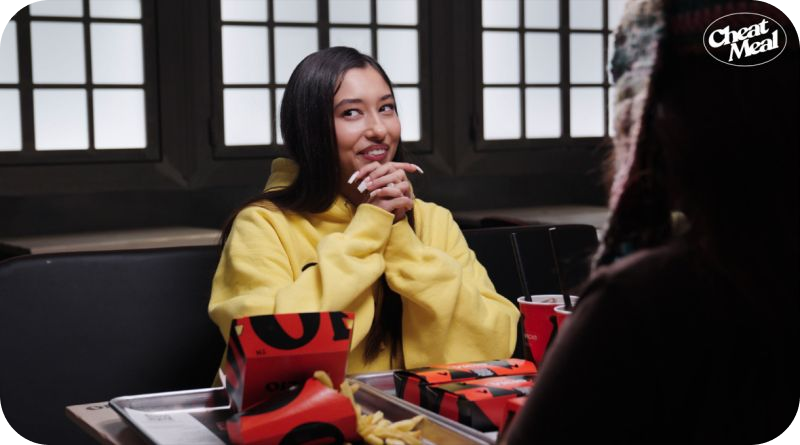
2. Cheat Meal: a show with influencers Yenesi and BB Trickz filmed in one of their own stores, distributed on TikTok and YouTube, racking up millions of views.
5.- Collaboration with Nil Ojeda (“Somos Inocentes” campaign):
They created a fake public trial to launch a limited menu, which sold out on the first day and generated huge viral engagement.
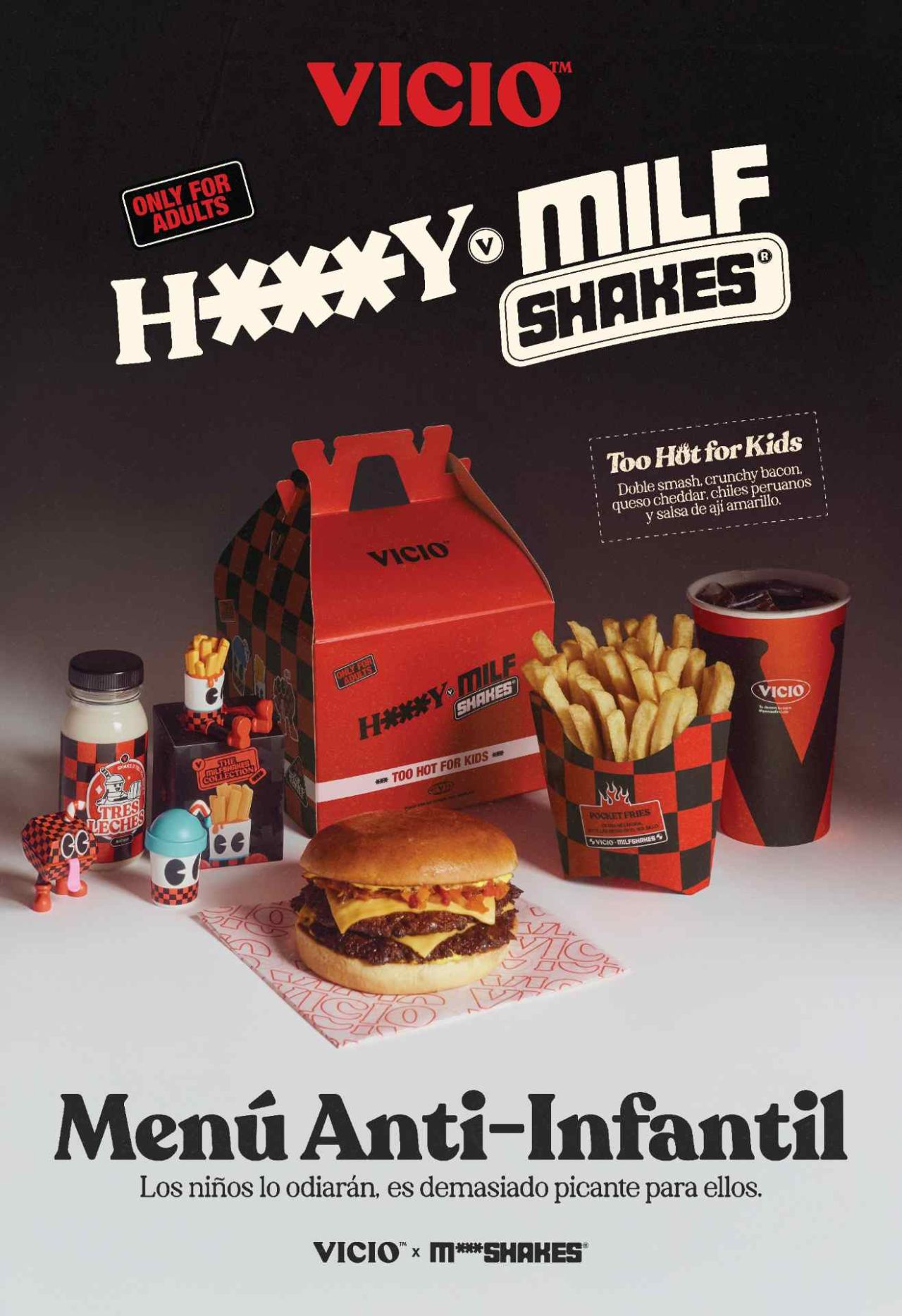
6.- Brand partnerships with companies such as Nike and Red Bull, creating limited-edition products and packaging with viral impact.
Key Strategies: How They Have Made Creativity Work
|
Strategy |
Description |
|
Pop culture topics in real time |
They respond quickly to trends (such as Kim or Goicoechea) to capitalize on the moment. |
|
User-generated content (UGC) |
#RandomVicio encourages creative challenges from followers: parachuting with burgers, wakeboarding, etc., with weekly reposts. |
|
Packaging as a creative medium |
Irreverent copy on boxes and promotional materials is part of the virality. |
|
Combining digital and street marketing |
From flyers on door handles to giant outdoor campaigns, reinforced on social media. |
|
Narratives hungry for conversation |
They use smart provocation aimed at consumers and at the competition, without naming it directly. |
Team: Structure and Impact
1. Leadership under Jesús Cubero (CMO).
2. Founders (Aleix Puig & Oriol de Pablo) as brand visionaries.
3. Approximately 80 people in the creative core (marketing, design, strategy), within a larger team of 800 employees.
4. Self-managed teams with a data-driven approach and creative freedom.
Why Their Marketing and Team Are So Strong
1.- Vision and culture from the top: the founders and the CMO foster an environment that rewards boldness and the unexpected.
2.- Operational agility: they can design and launch campaigns in days (or even hours) without bureaucracy.
3.- Data as creative fuel: their in-house technology feeds real customer insights that translate into effective creativity.
4.- Omnichannel consistency: every piece of communication keeps the same cheeky tone: social media, offline, packaging, product, and branded content.
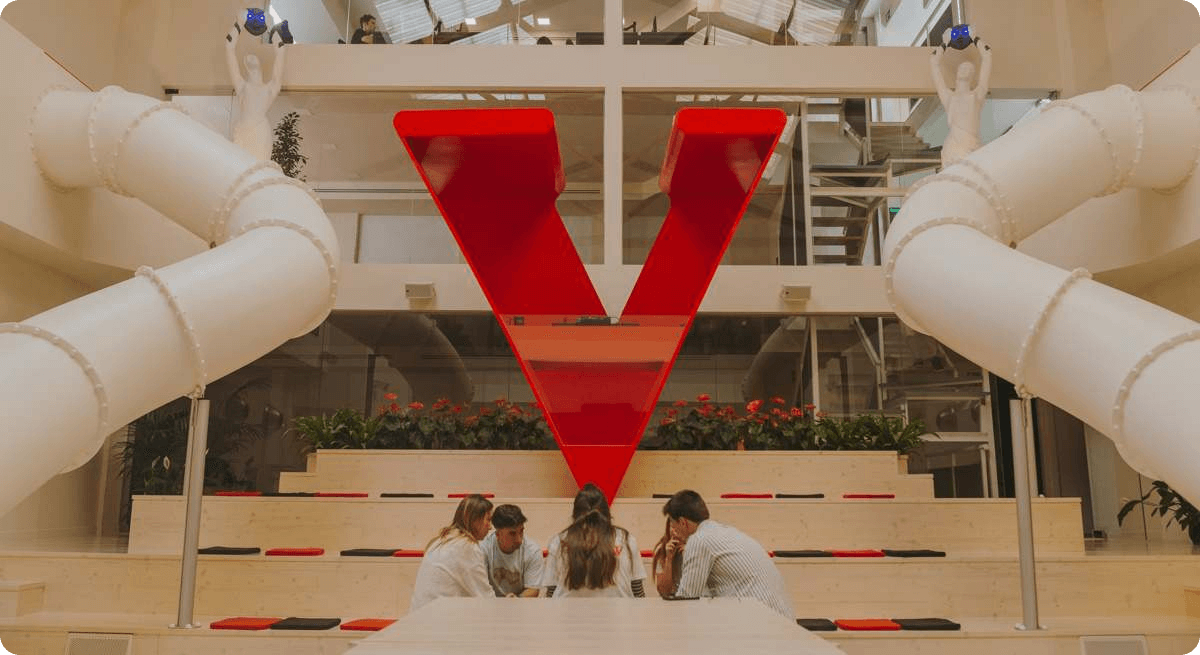
Are you ready to work with aliens?